
Anyone can drown. No one should.
More children die from drowning than (almost) any other cause.
Drowning is the 3rd leading cause of injury death in the world for children. Here in the United States drowning comes in 1st, and in Oregon, drowning rates are higher than the national average — even higher than neighboring states California and Washington.
Everywhere, almost all drownings occur in natural bodies of water and families without access to swim lessons or basic safety gear like lifejackets are at highest risk.
Yet, with just a few core skills and a basic understanding of water safety, every drowning is preventable.
Build situational awareness
Before you get in the water, get in touch with yourself and the water world around you. Take note of the air and water temperatures, remaining daylight, changing weather patterns, water currents and tides, water quality concerns such as bacterial, algal or industrial contaminants, floating and submerged debris or other natural hazards, dangerous animals in the water, built hazards such as ramps, pilons, bridges, or piers, and other water users like fishers, paddlers, commercial cargo ships, jetskis, sailboats, and others.
Get the know the water and be honest with yourself. In this way, you and the water will take care of each other.
water safety skills are for everyone
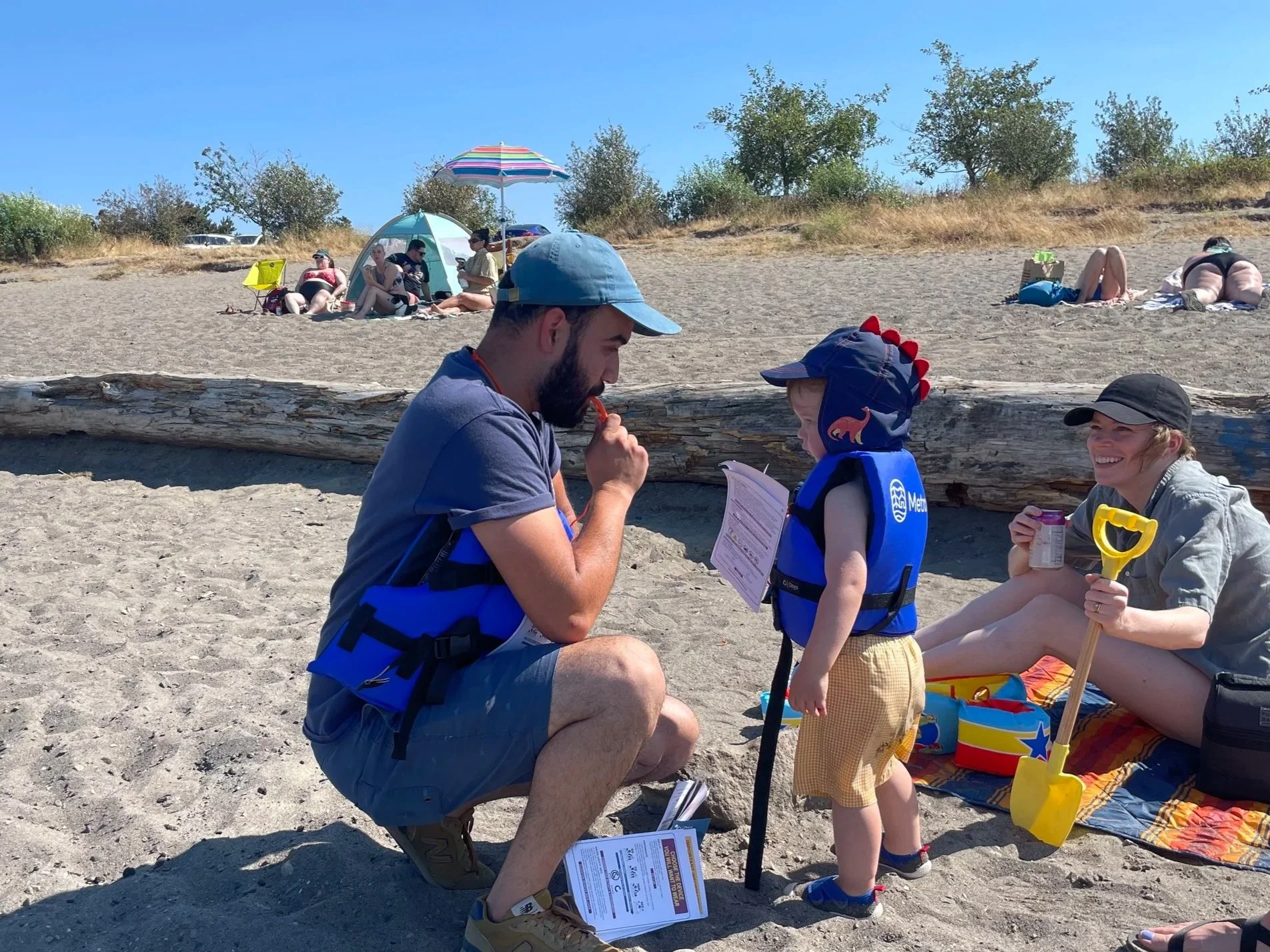
Put on a lifejacket
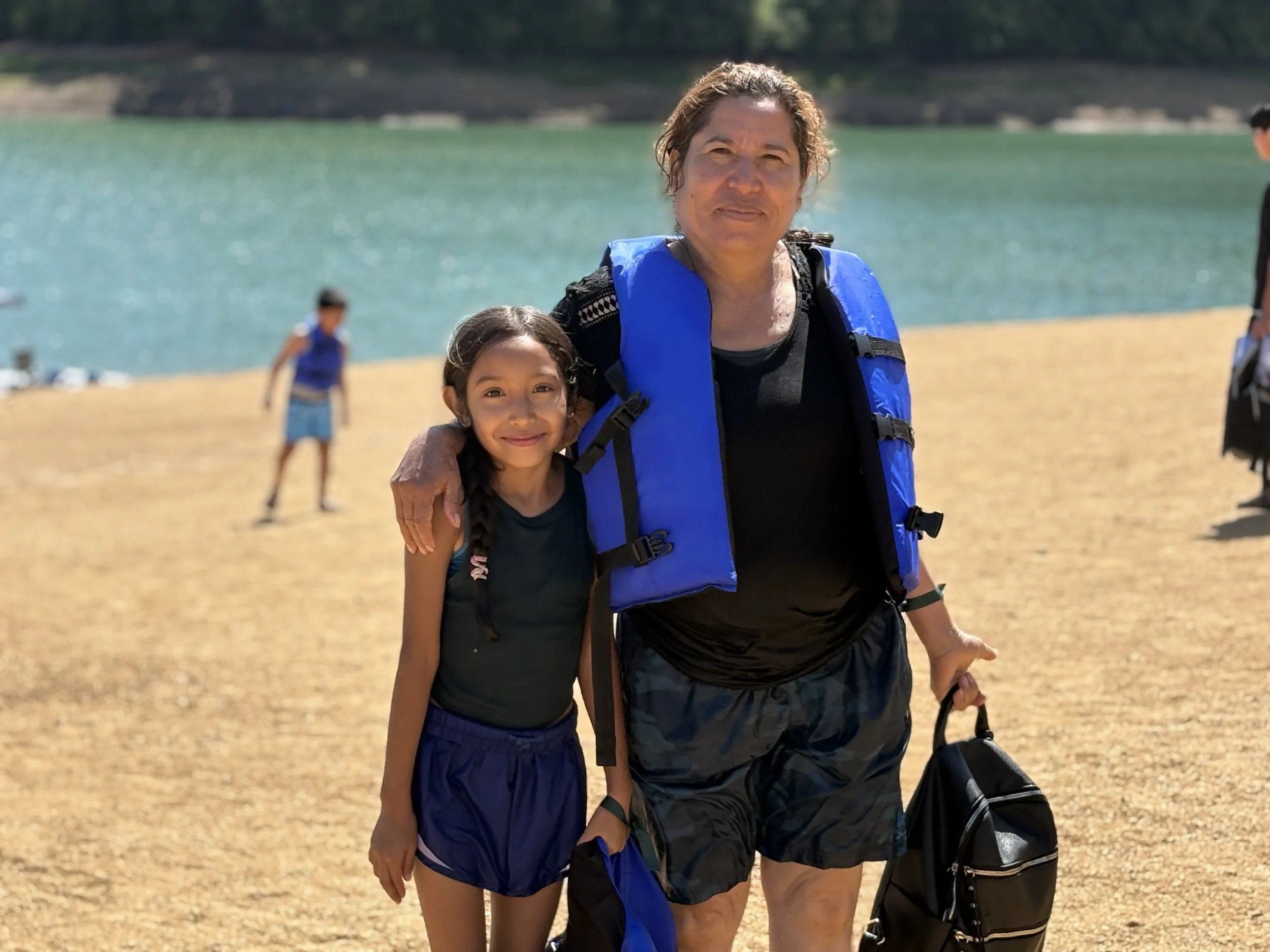
The best lifejacket is the one you wear. It should fit snugly without restricting your breathing or arm movements. If the lifejacket slips up over your ears, it’s too big.
Inflatable lifejackets are unreliable and dangerous. If you choose to wear an inflatable, always make sure the cartridges are in good working order before getting on the water.
Use S-O-S to call for help
A Morse Code signal developed during World War I nearly 100 years ago, S-0-S (“Save Our Ship”) is a universal code understood everywhere in the world in any language. It is 3 short blasts, then 3 long blasts, then 3 short blasts.
Water safety resources
We have so much to learn about the water and how to thrive with it. These resources from around the world are full of wisdom and essential survival skills.
National Water Safety Action Plan. Launched in 2025, this national blueprint for the US sets the stage for the development of local and state water safety action plans.
Risk, Benefit and Perception in Cold Water Swimming. Outdoor Swimmer magazine frequently publishes excellent tips for cold water enthusiasts. Here’s one that caught our eye.
How to swim safely in Portland’s Rivers. A local guide to swimming Portland’s waterways safely and with joy.
Tia’s 50 Swims. To celebrate her 50th birthday, swim explorer Tia logged 50 swims in the Pacific Northwest, each one beautiful, unique and instructive.
Lifejackets save lives.
In less than 60 seconds, a perfect day in the water could turn tragic. YOU alone are responsible for your safety
Always watch the water and those around you. Be visible to others.
Have a buddy, let others know where you are. Make it easy for others to provide assistance to you, and be ready to help someone else.
Be familiar with the location where you’re swimming and know that conditions change quickly. Every pool, river, lake or ocean is unique and ever-changing.
Be honest about your abilities - swim to swim another day.
Wear a lifejacket, don’t be shy.
Be visible and helpful to others
Be honest about your skills and the conditions
Be calm
Self assist
Even the most expert swimmers can get scared or disoriented, tired or cramped. The key to a successful self-assist is to remain calm. Breathe. Float on your back and kick, or tread water. Keep your head above water and keep breathing. Blow SOS on your safety whistle. Remain visible and calm.
Reach assist
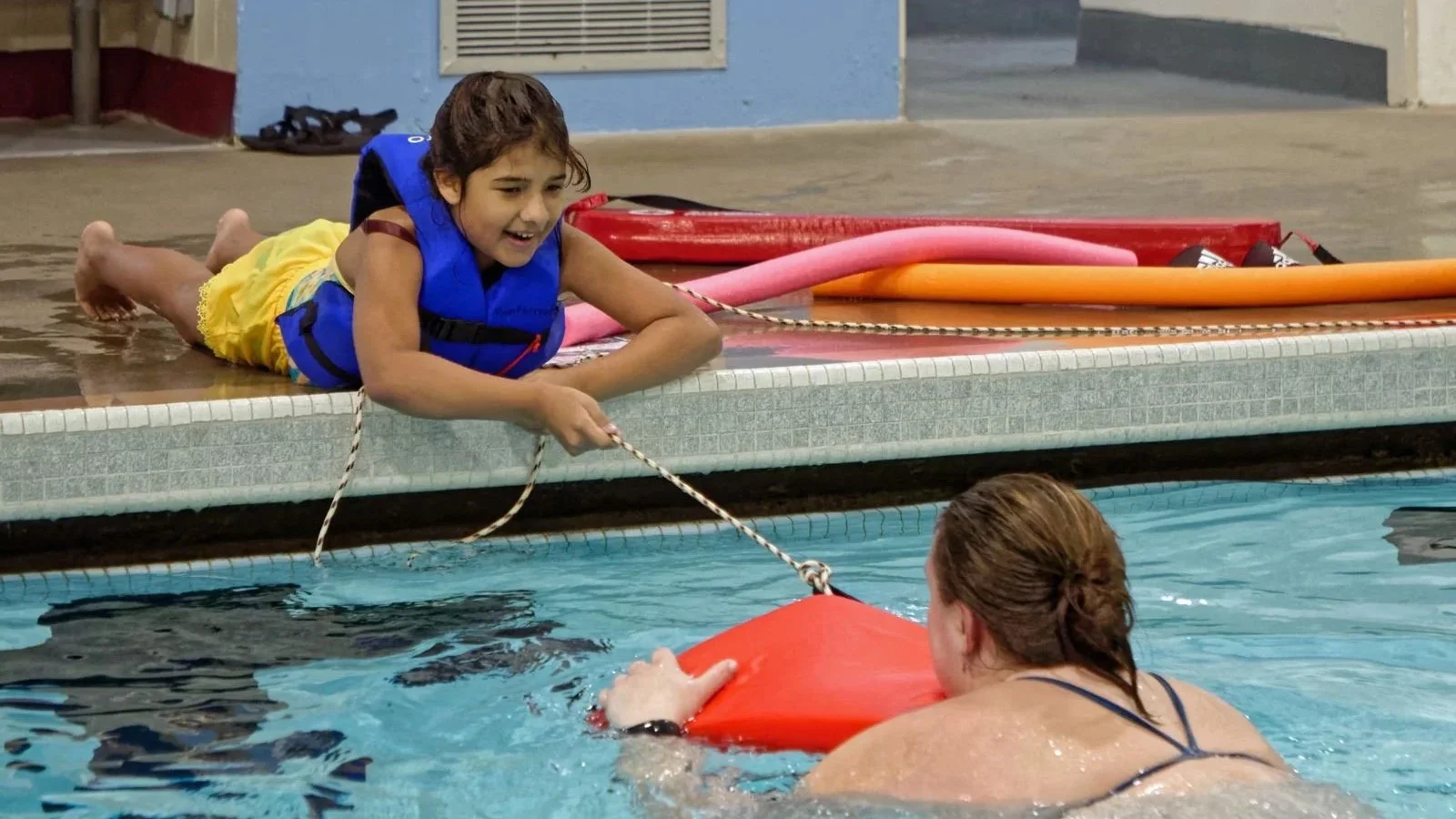
Use something longer than your arm that floats – a branch, oar, paddle, flotation device, etc.
Communicate with the swimmer, “Hey swimmer! Do you need help?” Hold eye contact
Get low to the ground to stabilize yourself, “Hold this paddle / branch / oar, etc.!”
Extend the assist to the swimmer until they grab hold
Carefully bring the swimmer to safety, hand over hand, maintaining eye contact
Throw assist
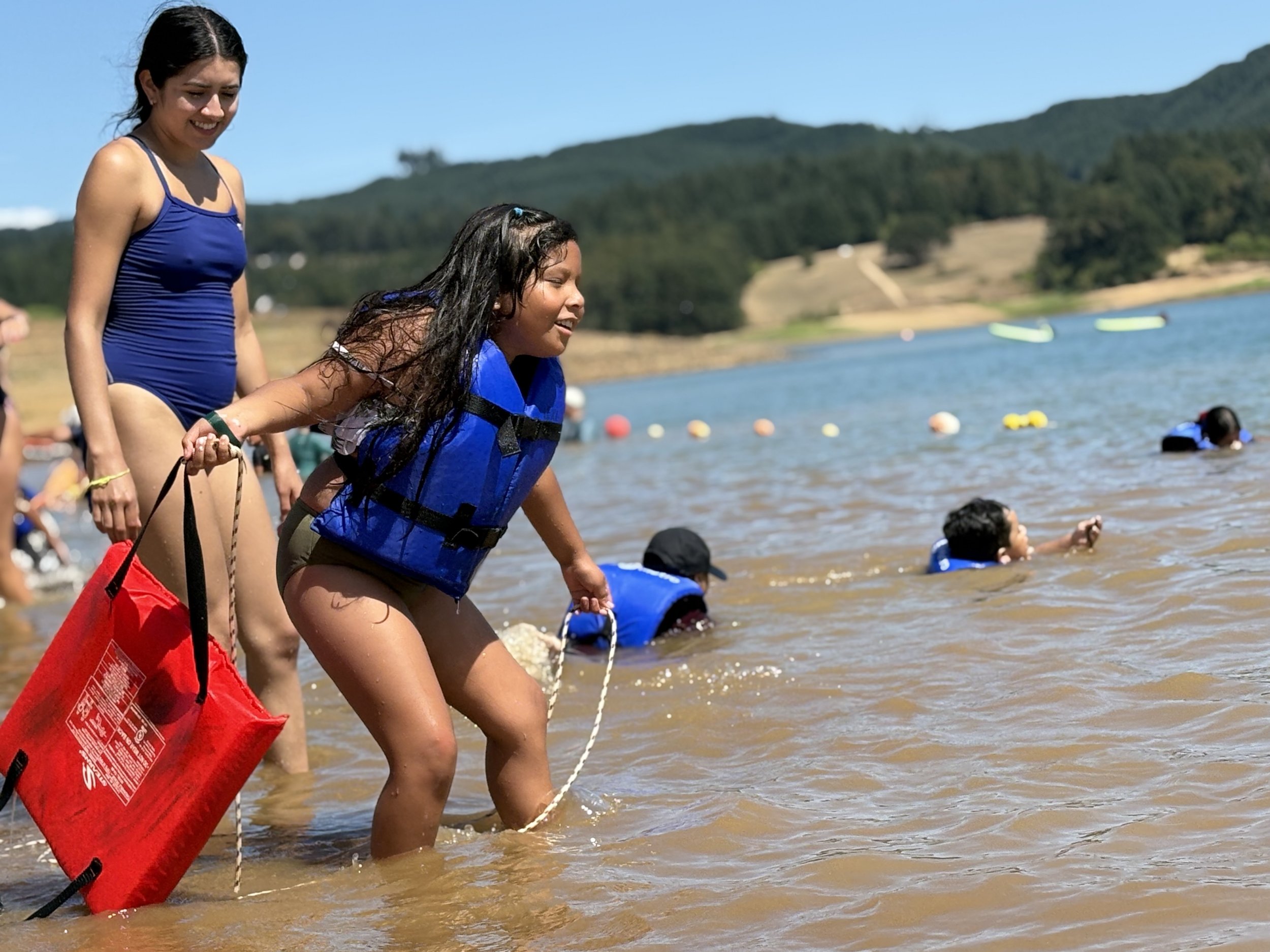
With a rope, tie a double knot to something that floats – a water jug (with a little ballast), piece of wood, foam cushion, lifejacket, picnic cooler, etc.
Communicate with the swimmer, “Hey swimmer! Do you need help?” Hold eye contact.
Stand on the tail end of the rope to anchor it. “Hold this rope!”
With one hand, throw the knotted end with the floating ballast toward the swimmer, aiming a little beyond the swimmer.
Allow the swimmer to grab hold, carefully bring the swimmer to safety hand over hand, maintaining eye contact.
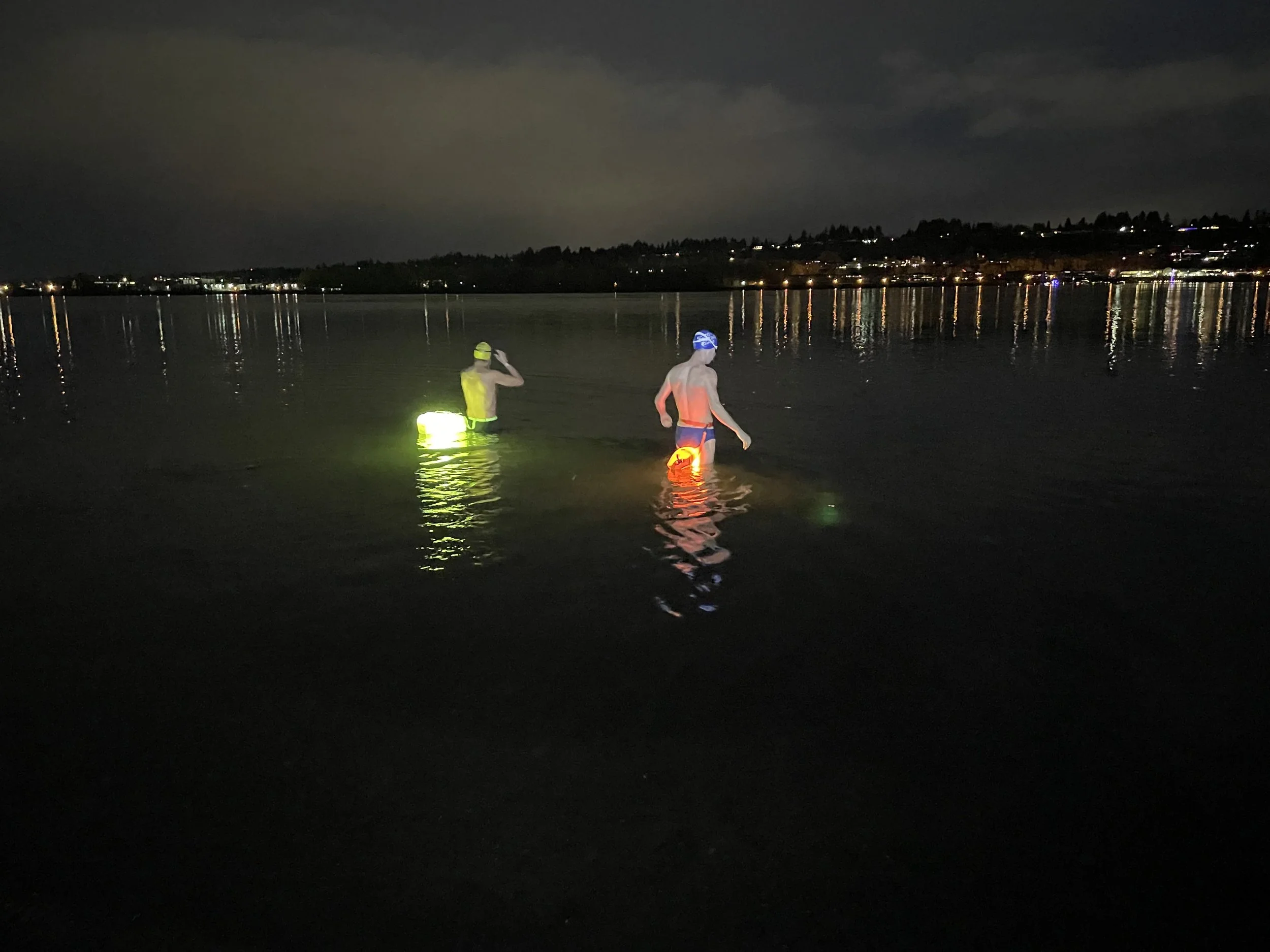
Be seen in the water
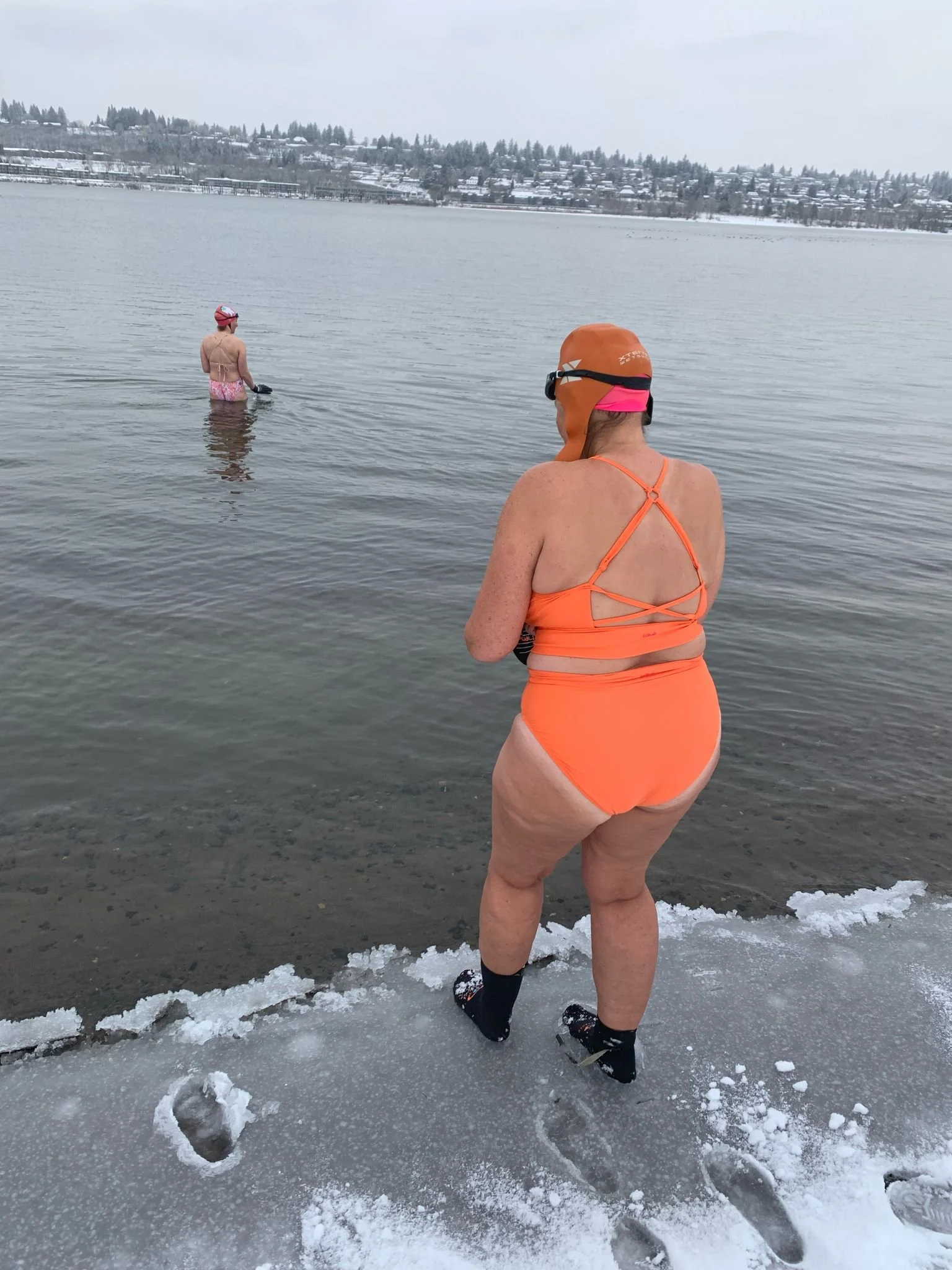
The bigger and more visible the better! Wear a bright swim cap and use a brightly colored inflatable swim buoy. In low light conditions, add a waterproof light to the swim buoy. Make it easy for others to see you.
Want to learn more?
Our programs include:
Year-round pool and open water instruction
Red Cross certification in Waterfront Lifeguarding and Deep Water Lifeguading
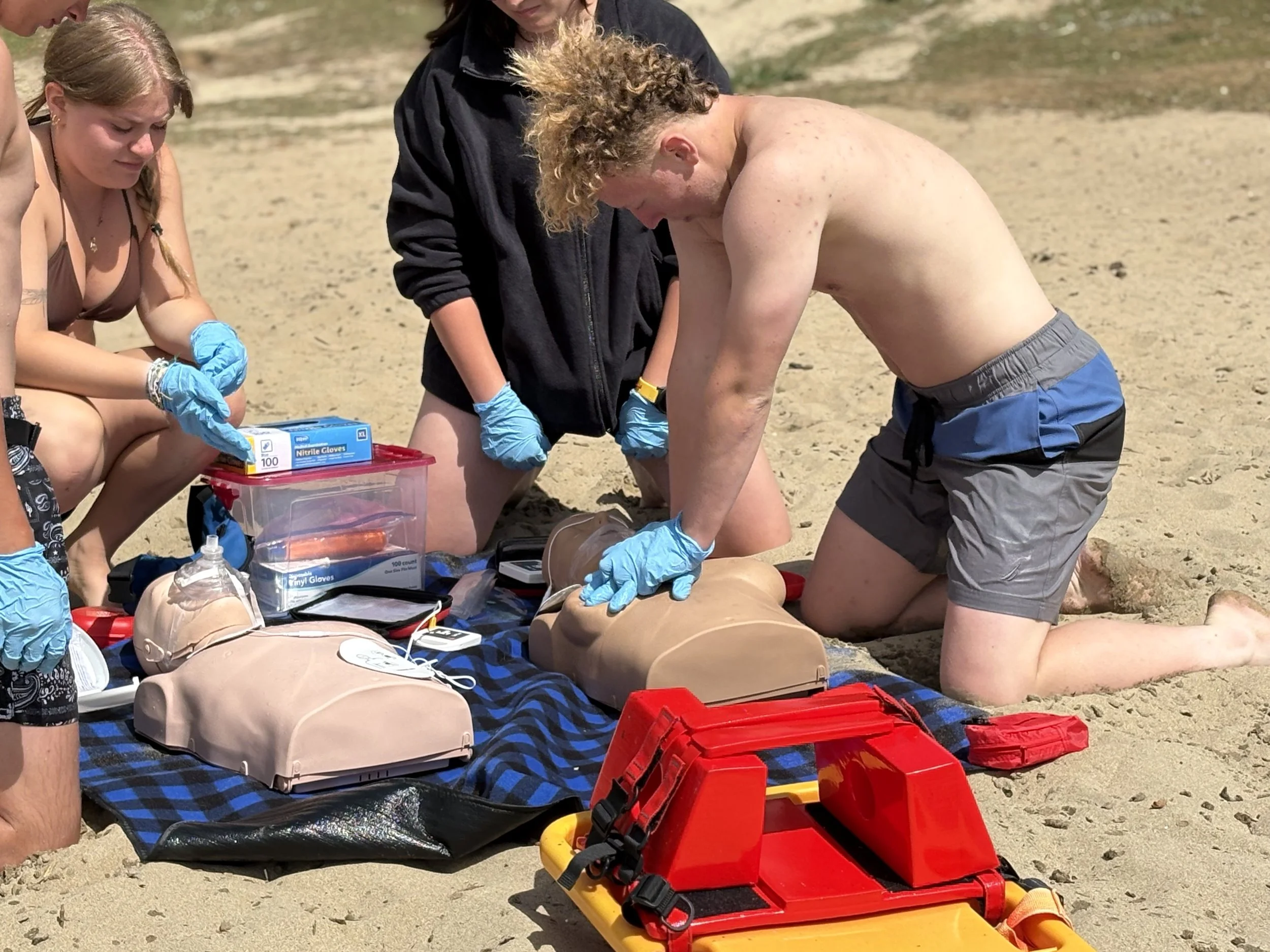
Red Cross certification in First Aid/CPR/AED
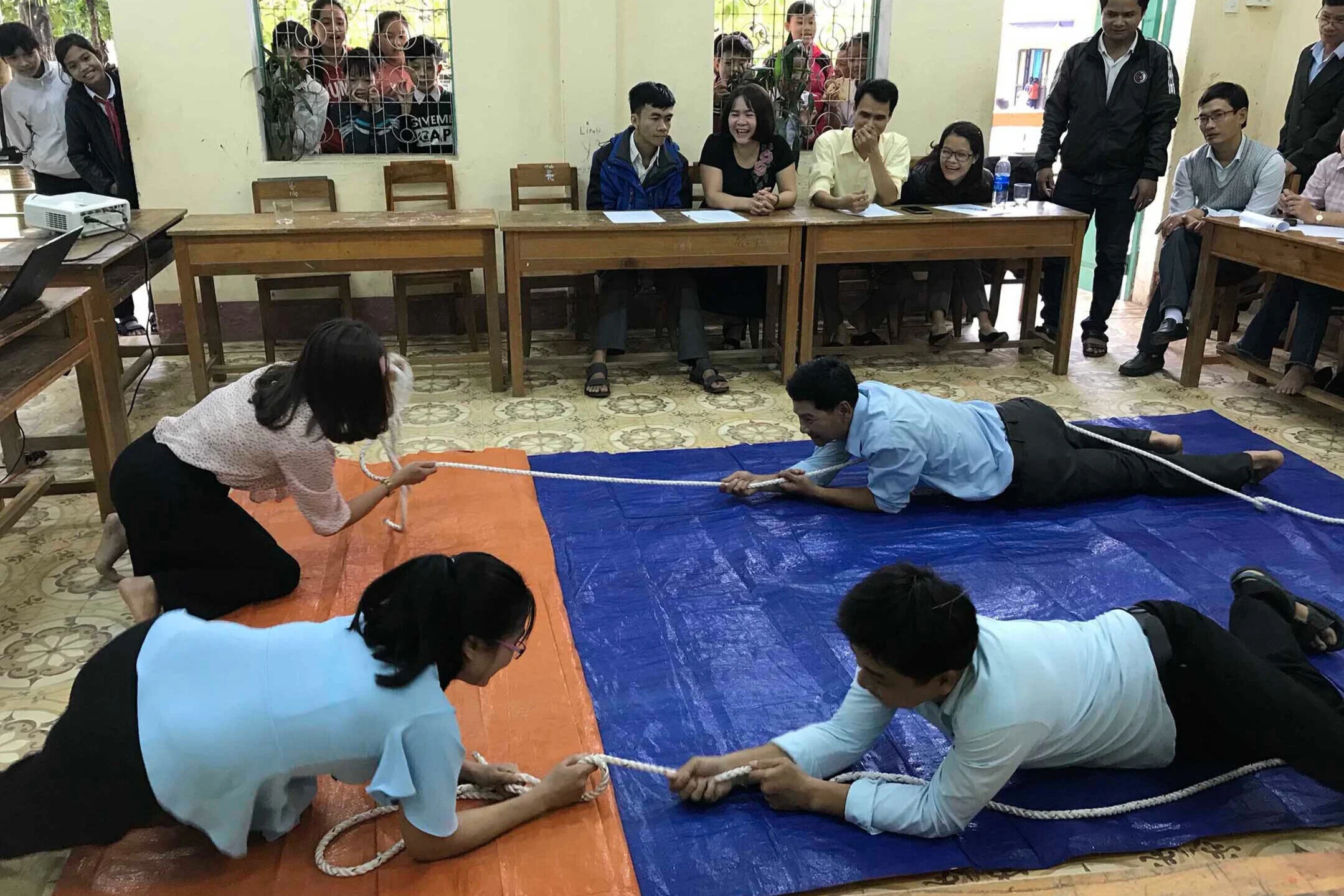
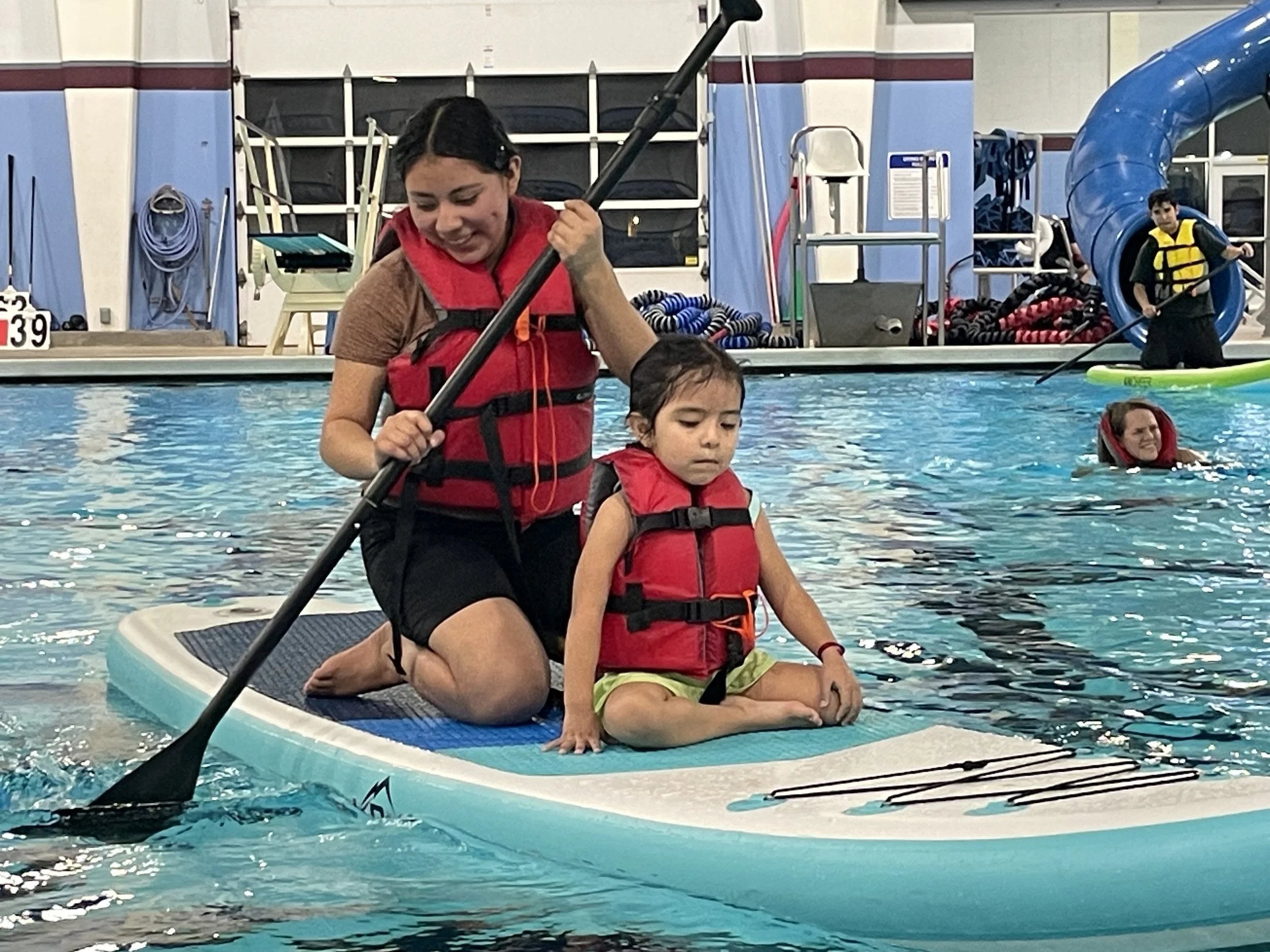
WaterStrong is building the next generation of confident swimmers and clean water stewards.